

Emergency Hotline
+(603) 5515 1999

Appointments
+(603) 5515 1966
General Line
+(603) 5515 1888

 October 13, 2026
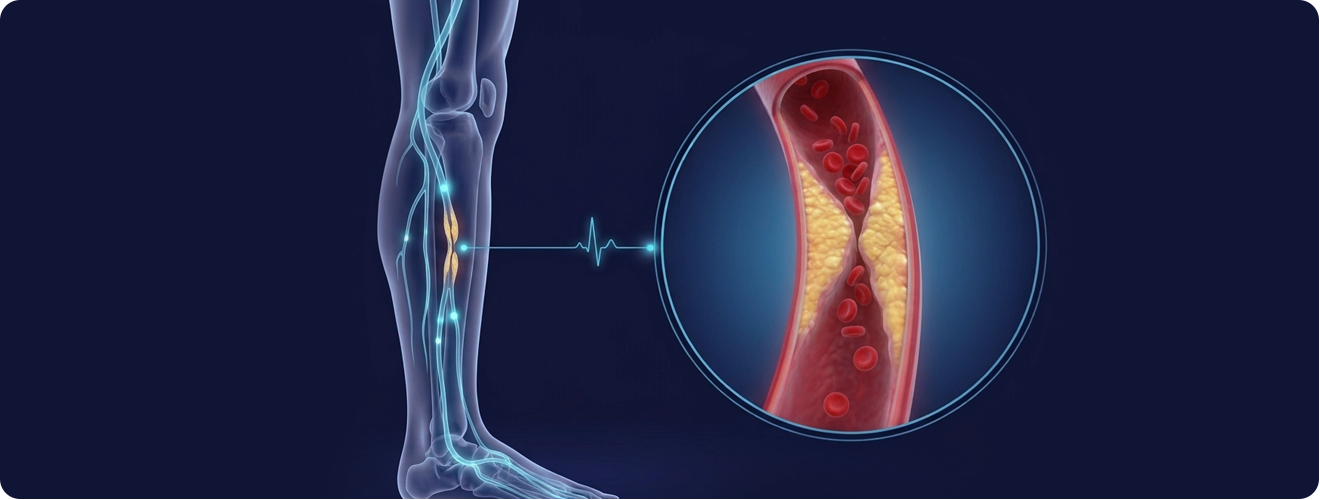
Peripheral artery disease (PAD) is a condition in which the arteries that carry blood to the legs and feet become narrowed or blocked. It most commonly develops because of atherosclerosis, a process in which fatty deposits build up inside the artery walls and restrict blood flow.
PAD is more than a problem with circulation in the legs. It is a form of cardiovascular disease and can be a warning sign that atherosclerosis is affecting other blood vessels in the body. People with PAD have a higher risk of serious cardiovascular complications, including heart attack and stroke, as well as complications affecting the limbs. The condition can develop gradually, and some people have few or no obvious symptoms. This is one reason PAD may go undetected until it becomes more advanced. In Malaysia, PAD is particularly important to recognise among people with diabetes and other cardiovascular risk factors.
The most common cause of PAD is atherosclerosis. Over time, cholesterol, fatty deposits and other substances can accumulate in the artery walls. The arteries become narrower, reducing the amount of oxygen-rich blood reaching the muscles and tissues of the legs and feet. Other conditions can also affect blood vessels, but atherosclerosis accounts for most cases of lower-extremity PAD.
Several factors increase the likelihood of developing peripheral artery disease. These include:
Diabetes is especially important. Malaysian Ministry of Health guidance notes that people with type 2 diabetes have a substantially higher risk of PAD and that diagnosis can be delayed because diabetic nerve damage may reduce or mask typical symptoms. Your overall risk is influenced by the combination of these factors rather than by any single factor alone.
Some people with PAD have no noticeable symptoms. Others develop symptoms when walking or exercising because the leg muscles need more blood and oxygen during activity.
The classic symptom is intermittent claudication. This may feel like aching, cramping, tiredness or discomfort in the calf, thigh, buttock, hip or foot during walking or exercise. The discomfort typically improves after resting. For example, you may notice that you can walk a certain distance before your calf starts to hurt, but the pain settles after you stop. Over time, the distance you can walk comfortably may decrease. Not everyone experiences pain in the same way. Some people describe heaviness, weakness or unusual fatigue in one or both legs instead.
Other symptoms and physical signs may include:
A wound that does not heal normally deserves medical attention, particularly if you have diabetes or known circulation problems.
Severe PAD can progress to chronic limb-threatening ischaemia, where blood flow is so restricted that the tissues of the foot or leg are at risk. Warning signs include persistent foot pain, especially pain occurring at rest, non-healing ulcers, tissue loss or gangrene. The Malaysian Ministry of Health specifically identifies features such as rest pain with ulcers or tissue loss as high-risk signs requiring urgent specialist referral.
Sudden severe leg pain, marked paleness or a blue colour, a cold limb, numbness or weakness can indicate acute limb ischaemia. This is a medical emergency and requires immediate assessment. Do not wait for symptoms to become severe before seeking care.
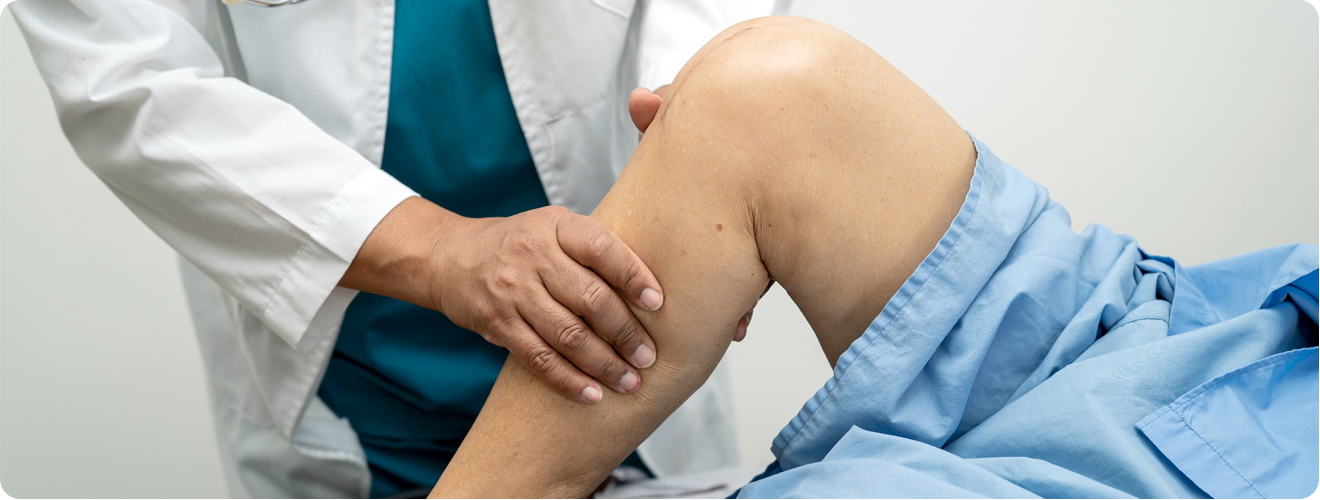
A healthcare professional will usually begin with your medical history and a physical examination. This may include checking the pulses in your legs and feet, looking for changes in the skin and asking about pain or difficulty walking.
One of the main tests used to detect PAD is the ankle-brachial index (ABI). This simple, non-invasive test compares blood pressure at the ankle with blood pressure in the arm. A reduced ankle pressure can indicate impaired blood flow to the legs. The 2024 ACC/AHA guideline identifies history, physical examination and resting ABI as key tools for detecting PAD.
In some people, particularly those with diabetes or arterial calcification, an ABI may be less reliable. A healthcare professional may consider additional tests, such as a toe-brachial index, ultrasound or other vascular imaging, depending on the clinical situation. Malaysian Ministry of Health guidance also recognises the usefulness of the toe-brachial index when arterial calcification may affect ABI results.
Treatment depends on the severity of the disease, symptoms, overall health and whether the limb is at risk. The goals are to improve blood flow and walking ability, reduce symptoms and, importantly, lower the risk of heart attack, stroke and limb complications.
Healthy lifestyle changes form an important part of PAD treatment. If you smoke, stopping is one of the most important steps you can take. Your healthcare team can recommend evidence-based smoking cessation support.
Regular physical activity is also important. Structured exercise, including supervised exercise therapy or appropriate structured home-based programmes, is a core part of modern PAD management. Exercise should be tailored to your condition and carried out according to advice from your healthcare team.
Managing diabetes, blood pressure and cholesterol is equally important. A balanced diet, maintaining a healthy weight and taking prescribed medication consistently can help reduce cardiovascular risk.
Depending on your individual risk and medical history, your doctor may prescribe medicines to reduce the risk of cardiovascular and limb-related complications. These may include antiplatelet therapy, cholesterol-lowering treatment such as high-intensity statin therapy, blood pressure medication and medicines to manage diabetes. For selected patients who are not at increased risk of bleeding, low-dose rivaroxaban combined with low-dose aspirin may be appropriate. This decision must be made by a doctor because these medicines are not suitable for everyone. Never start, stop or change blood-thinning medication without medical advice.
Some people need a procedure to improve blood flow through a narrowed or blocked artery. Depending on the location and severity of the blockage, treatment may involve an endovascular procedure, surgery or a combination of approaches. Revascularisation is particularly important for people with chronic limb-threatening ischaemia because restoring blood flow can help prevent limb loss. It may also be considered for people with persistent, lifestyle-limiting claudication despite appropriate medical treatment and structured exercise.
People with PAD and diabetes need to pay close attention to their feet. Poor circulation can make wounds slower to heal, while diabetic neuropathy can reduce the ability to feel pain or injury. Check your feet regularly for cuts, blisters, colour changes, swelling or wounds. Wear properly fitting footwear and avoid walking barefoot if you have reduced sensation.
If you notice a foot wound that is not healing, seek medical assessment rather than treating it yourself for an extended period. Good foot care is not simply about comfort. Current PAD guidance considers preventive foot care and education an important part of managing the condition and reducing the risk of serious limb complications.
Not every case of PAD can be prevented, but many risk factors can be modified. The most useful steps include not smoking, keeping diabetes and blood pressure under control, managing cholesterol, staying physically active and following a heart-healthy eating pattern.
If you have diabetes, cardiovascular disease, kidney disease or several PAD risk factors, discuss your vascular health with your doctor. Screening is not automatically required for every person without symptoms, but people with symptoms or clinical findings suggestive of PAD should be appropriately assessed.
Speak to a healthcare professional if you regularly experience leg pain, cramping, heaviness or unusual fatigue when walking, particularly if the symptoms improve with rest. You should also seek assessment for unexplained changes in foot colour or temperature, reduced pulses, numbness, or wounds that heal slowly. Seek urgent medical attention for sudden severe leg pain, a cold or pale/blue limb, sudden numbness or weakness, or signs of tissue damage. These may indicate a serious reduction in blood flow.
A PAD diagnosis does not mean you have to stop being active. With appropriate treatment, many people can improve their walking ability, manage symptoms and reduce their risk of cardiovascular complications. The key is to treat PAD as part of your overall vascular health rather than as an isolated leg problem. Regular follow-up, prescribed medication, structured exercise, smoking cessation, diabetes management and good foot care all have an important role.
Peripheral artery disease is a common but often under-recognised condition that can affect walking, quality of life and long-term cardiovascular health. Recognising symptoms such as exertional leg pain, understanding your risk factors and seeking timely assessment can make a meaningful difference.
For people in Malaysia, awareness is particularly important among those living with diabetes, high blood pressure, high cholesterol, kidney disease or established cardiovascular disease. If you have concerns about circulation in your legs or feet, speak with your healthcare provider rather than waiting for symptoms to worsen.
Medical disclaimer: This article is intended for general health education and does not replace an individual medical assessment, diagnosis or treatment plan. If you have severe or sudden symptoms, seek urgent medical attention.
 Call Us
Spread the love, follow us on our social media channels