

Emergency Hotline
+(603) 5515 1999

Appointments
+(603) 5515 1966
General Line
+(603) 5515 1888

 October 11, 2026

Clear vision is essential for everyday activities such as reading, working, driving, and navigating the world around us. When vision becomes blurry, many people may assume it is simply due to tired eyes, prolonged screen use, or needing a new pair of glasses. While some causes of blurry vision are temporary and harmless, others may indicate an underlying eye condition that requires medical attention. Persistent or sudden changes in vision should never be ignored, as early diagnosis and treatment can help protect eyesight and prevent further complications.
Blurry vision is a symptom rather than a disease. It can occur due to common problems such as refractive errors or dry eyes, but it may also be linked to more serious conditions involving the lens, optic nerve, or retina. Understanding the warning signs of blurry vision and knowing when to visit an eye specialist can make an important difference in maintaining long-term eye health.
Blurry vision refers to reduced clarity or sharpness of eyesight. A person may experience objects appearing out of focus, hazy, distorted, or less detailed than usual. Blurry vision may affect:
Some people may also notice accompanying symptoms, including:
The pattern of vision changes often helps an eye specialist determine the possible cause and the appropriate treatment.
Refractive errors are one of the most common causes of blurry vision. They occur when the eye cannot focus light properly onto the retina. These conditions can often be corrected through prescription glasses, contact lenses, or other vision correction options recommended by an eye specialist. Common types include:
Short-sightedness (myopia):
Objects that are far away appear unclear, while nearby objects may remain sharp.
Long-sightedness (hyperopia):
Close objects may appear blurry, and focusing can become more difficult.
Astigmatism:
An irregularly shaped cornea or lens causes distorted or blurred images.
Presbyopia:
Age-related changes in the eye make it harder to focus on nearby objects, commonly affecting adults over 40.
Dry eye occurs when the eyes do not produce enough tears or when tears evaporate too quickly. Tears are important for maintaining a smooth surface on the eye, which is necessary for clear vision. People with dry eyes may experience:
Digital device use, reduced blinking, environmental factors, and certain medications may contribute to dry eye symptoms.
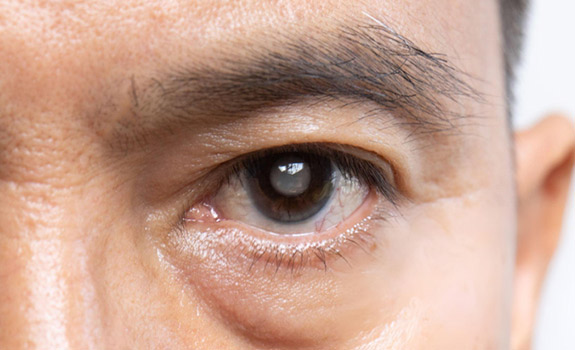
A cataract develops when the natural lens of the eye becomes cloudy. This prevents light from passing clearly through the eye, resulting in gradual vision changes. Common cataract symptoms include increasingly blurry vision, reduced colour brightness, glare from headlights or bright lights and poor night vision.
Although cataracts are commonly associated with ageing, they can also develop due to diabetes, eye injury, or other health factors.
Glaucoma refers to a group of eye diseases that damage the optic nerve, which connects the eye to the brain. One of the challenges with glaucoma is that it may develop slowly without obvious symptoms in the early stages. Some people only notice changes after significant vision loss have occurred. Regular eye examinations are important because early detection and treatment can help slow disease progression.
The retina is a thin layer of tissue at the back of the eye that captures light and sends visual information to the brain. Problems affecting the retina can cause serious vision changes. Conditions that may affect the retina include diabetic retinopathy, retinal tears or detachment, age-related macular degeneration and macular swelling. Retinal conditions often require specialised assessment because some problems can progress quickly and may lead to permanent vision impairment if untreated.
Some vision changes require prompt evaluation by an eye specialist, especially when symptoms appear suddenly or worsen over time. Sudden blurry vision can sometimes signal a serious eye condition affecting the retina, optic nerve, or blood supply to the eye.
An ophthalmologist can perform detailed assessments to identify the cause of blurry vision and recommend appropriate treatment. Consider scheduling an eye examination if you experience:
| Warning Sign | Possible Concern |
|---|---|
| Sudden blurry vision | Possible urgent eye condition |
| Persistent blurred eyesight | Underlying eye disease or vision changes |
| Flashes and new floaters | Possible retinal concerns |
| Reduced side vision | Possible optic nerve problems |
| Difficulty seeing at night | Cataracts or other eye changes |
| Vision changes with diabetes | Risk of retinal complications |
A comprehensive eye examination may involve several tests depending on symptoms and medical history.
This measures how clearly you can see at different distances and helps identify whether glasses or other vision correction may be needed.
Measuring pressure inside the eye helps assess the risk of glaucoma.
Eye drops may be used to enlarge the pupil, allowing the ophthalmologist to examine the retina and optic nerve more closely.
Advanced imaging technology can help detect early changes in the retina, supporting accurate diagnosis and treatment planning.
Regular eye care is important because some eye diseases can progress quietly before noticeable symptoms appear.
Routine eye examinations allow early detection of conditions such as glaucoma, cataracts, and retinal diseases.
Medical conditions such as diabetes and high blood pressure can affect eye health. Proper management helps reduce the risk of vision-related complications.
To reduce digital eye strain:
Use appropriate protective eyewear during activities that may expose your eyes to injury risks.
Changes in vision should not be dismissed, especially when they interfere with daily activities. Many eye conditions can be managed more effectively when identified early. Advances in ophthalmology have made it possible to diagnose and treat a wide range of eye conditions, including problems affecting the retina and vitreous. The earlier an eye condition is identified, the more options may be available to protect and preserve vision. An eye specialist can determine whether blurry vision is caused by a simple vision correction issue or a condition requiring specialised care.

If you are experiencing persistent blurry vision, sudden changes in eyesight, or symptoms affecting your daily life, seek professional advice from an eye specialist.
The Ophthalmology & Vitreoretinal team at Avisena Specialist Hospital provides specialised assessment and treatment for various eye conditions, including retinal-related concerns. A comprehensive eye evaluation can help identify problems early and guide you towards appropriate care. Protect your vision by arranging an appointment with our ophthalmology specialists today.
Learn more about our services and schedule your consultation:
Disclaimer: This article provides general health information and is not a substitute for professional medical advice, diagnosis, or treatment. If you have symptoms of blurry vision, consult a qualified healthcare professional for appropriate evaluation and care.
 Call Us
Spread the love, follow us on our social media channels