

Emergency Hotline
+(603) 5515 1999

Appointments
+(603) 5515 1966
General Line
+(603) 5515 1888

 October 14, 2026

A slipped disc can turn an ordinary movement into a painful experience. Bending down, getting out of a car or even sitting for a long time may suddenly become difficult. The term “slipped disc” is commonly used to describe a herniated, prolapsed or bulging disc in the spine. Despite the name, the disc does not literally slip out of position. Instead, the softer inner material of a spinal disc can push through a weakened or damaged outer layer. If the disc irritates or compresses a nearby nerve, it may cause back pain, numbness, tingling or pain that travels into an arm or leg.
Slipped discs most often affect the lower back, although they can also occur in the neck. Many disc changes cause no symptoms at all, so having a disc abnormality on an MRI does not automatically mean it is the source of pain.
Symptoms depend on the location of the affected disc and whether a spinal nerve is irritated or compressed. A lumbar slipped disc, which occurs in the lower back, may cause lower back pain together with pain travelling through the buttock and down one leg. This is commonly known as sciatica. Other symptoms can include:
Some people have a herniated disc without experiencing any symptoms.
Most slipped discs are not medical emergencies. However, certain symptoms require urgent assessment because they may indicate severe compression of the nerves that control the bladder, bowel and lower body.
Seek emergency medical attention if back pain is accompanied by numbness around the genitals or anus, difficulty passing urine, loss of bladder or bowel control, or significant loss of sensation or strength in one or both legs. These symptoms can be associated with cauda equina syndrome and should not be ignored. Progressive muscle weakness, such as developing difficulty lifting the foot, also warrants prompt medical assessment.
Spinal discs act as cushions between the vertebrae. Over time, they can become less flexible and more vulnerable to injury. Age-related changes are therefore an important risk factor.A slipped disc may also develop following repeated strain or an injury. Activities involving heavy lifting, particularly when performed with poor technique, can place additional stress on the spine. Long periods of sitting or driving, physical inactivity and being overweight may also contribute to back problems. Smoking is another recognised risk factor because nicotine can affect disc tissue. Importantly, a slipped disc does not always result from one dramatic injury. Sometimes symptoms develop without an obvious triggering event.
Disc herniation can happen to adults of different ages, but age-related changes make it more common as people get older. Your risk may increase if you regularly perform physically demanding work, lift heavy objects, spend many hours sitting or driving, have low levels of physical activity or smoke. Maintaining a healthy body weight and staying physically active can support overall spinal health.
For people in Malaysia, work and lifestyle patterns can also matter. Long commutes, prolonged desk work and physically demanding occupations may place repeated stress on the back. These factors do not mean a slipped disc is inevitable, but they are worth considering when managing recurrent back pain.
Diagnosis usually starts with a medical history and physical examination. A doctor may assess your strength, reflexes, sensation, walking pattern and certain movements to determine whether a nerve may be affected.
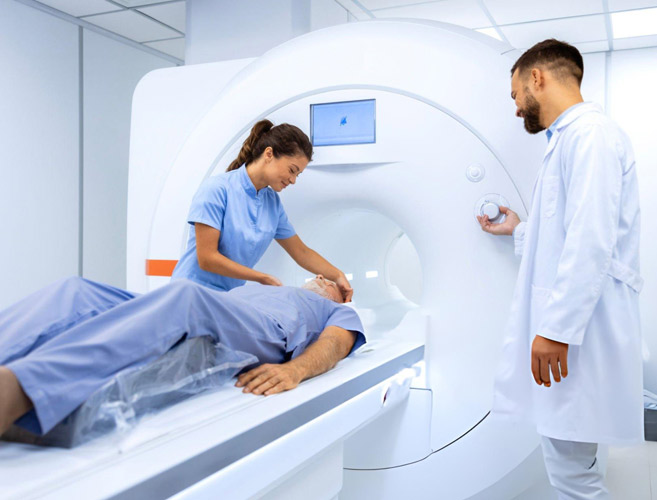
An MRI scan can provide detailed images of the spinal discs and nerves. However, imaging is not necessarily required for every person with acute back pain. Malaysia’s Ministry of Health guidance notes that imaging is not routinely indicated for uncomplicated acute back pain or suspected disc prolapse, with imaging considered when symptoms persist, progress or neurological signs are present. This is important because MRI findings need to be interpreted alongside symptoms and examination findings. A disc bulge seen on a scan may not be responsible for a person’s pain.
The right treatment depends on the severity of symptoms, whether a nerve is affected and how the condition changes over time.
For many people, the first approach is non-surgical treatment. This may include appropriate pain relief, gradual return to normal activities and physiotherapy. Extended bed rest is generally not recommended. As symptoms allow, gentle movement and activities such as walking can help maintain mobility. A physiotherapist may recommend exercises designed to improve movement, strength and function while reducing strain on the affected area.
Pain medicines may be recommended depending on your symptoms and medical history. Not every medicine is suitable for everyone, particularly people with certain stomach, kidney, heart or other health conditions, so medication should be discussed with a doctor or pharmacist.
Physiotherapy can be an important part of slipped disc recovery. Treatment may focus on restoring movement, improving muscle strength and helping you gradually return to normal daily activities. A personalised programme is preferable to simply following generic exercises from the internet, particularly when there is numbness, weakness or pain extending into an arm or leg.
In selected patients with persistent nerve-related pain, a doctor may consider an injection around the affected nerve or epidural space. Injections are generally used as part of a broader treatment plan rather than as a permanent solution. Whether an injection is appropriate depends on the diagnosis, severity of symptoms and response to other treatments.
Most people with a slipped disc do not require surgery. However, surgery may be considered when significant symptoms persist despite appropriate non-surgical treatment, or when there is worsening neurological weakness.
A common operation for a lumbar disc herniation causing nerve compression is discectomy, in which the portion of disc pressing on the nerve is removed. The specific surgical approach depends on the location and characteristics of the disc problem. Emergency surgery may be required when severe nerve compression causes symptoms such as bladder or bowel dysfunction or significant neurological loss.
Recovery varies from person to person. For many patients, pain and nerve-related symptoms improve over several weeks with appropriate non-surgical care. Some cases take longer, particularly when nerve irritation is more severe.
There is also evidence that some herniated discs can naturally shrink or regress over time. A recent meta-analysis found spontaneous disc resorption in approximately 70% of cases overall, although the likelihood varied considerably according to the type of herniation. Larger extruded or sequestered discs tended to have a greater likelihood of regression than simple bulges. This does not mean that every slipped disc will disappear or that symptoms should simply be ignored. Recovery should be monitored, particularly when pain, numbness or weakness affects normal activities.
Recovery is usually a gradual process rather than a single treatment. Once severe pain settles, gradually increasing normal activity can help restore confidence and function. Avoiding every movement because of fear of “damaging the disc” can make it harder to return to everyday life.
Safe lifting technique, regular physical activity and good workplace ergonomics can also reduce strain on the back. If you spend much of the day sitting, take regular movement breaks rather than remaining in one position for prolonged periods. Smoking cessation and maintaining a healthy weight may also support long-term spinal health.
Consider seeing a doctor if your back or neck pain is persistent, severe, interfering with work or daily activities, or associated with numbness, tingling or weakness. A spine or orthopaedic assessment may be appropriate when symptoms suggest nerve compression, particularly if pain travels down an arm or leg or does not improve with initial treatment.
Experiencing persistent back pain, numbness, tingling, or weakness due to a slipped disc? Early assessment and appropriate treatment can help relieve your symptoms, improve mobility, and support your recovery. At our Orthopaedic, Sports & Trauma Department, our experienced specialists provide personalised care to help you manage your condition and return to your daily activities with greater confidence.

Don’t let back pain limit your quality of life. Book an appointment with our Orthopaedic Specialists today to discuss your symptoms and explore the most suitable treatment options for you.
A slipped disc can be painful and disruptive, but it does not automatically mean you need surgery. Many people improve with appropriate pain management, continued movement and physiotherapy, while some herniated discs gradually regress on their own.
The most important step is getting the right diagnosis. Persistent pain, numbness or weakness deserves medical assessment, while bladder or bowel problems, numbness around the genital area or significant loss of leg strength require urgent attention.
If you are experiencing symptoms of a slipped disc, a healthcare professional can help determine whether conservative treatment, further investigation or specialist care is appropriate for you.
Medical Disclaimer: This article is intended for general health education and does not replace an individual medical assessment. Treatment decisions should be made with a qualified healthcare professional based on your symptoms, examination and medical history.
 Call Us
Spread the love, follow us on our social media channels