

Emergency Hotline
+(603) 5515 1999

Appointments
+(603) 5515 1966
General Line
+(603) 5515 1888

 October 10, 2026
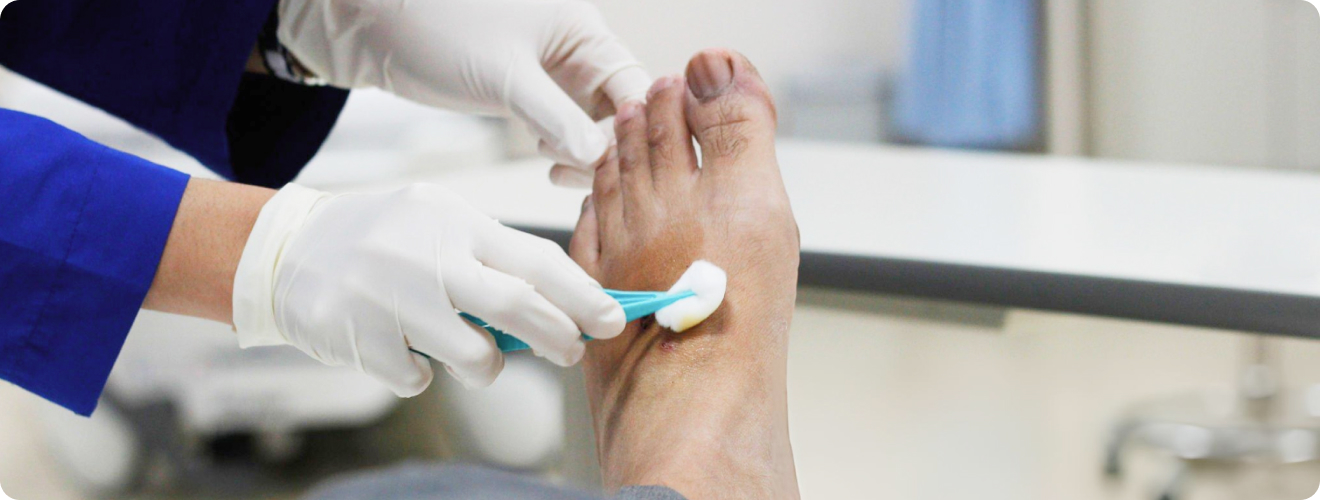
Diabetes is a chronic disease that affects millions of people worldwide. Among its many complications, diabetic wounds pose a significant health risk, often leading to severe conditions such as infections, amputations, and prolonged hospital stays. While larger wounds understandably receive more attention, small wounds in diabetic patients are equally crucial and warrant thorough understanding and management. Addressing these seemingly minor injuries can be the key to preventing major health issues and optimizing healing outcomes.
For people living with diabetes, even a small wound can require careful attention. Diabetes can affect several processes involved in wound healing, including blood glucose regulation, circulation, nerve function, and the immune response. These complications can make it harder for the body to repair damaged tissue and can increase the risk of a minor wound becoming more serious.
Diabetic peripheral neuropathy is particularly important. It can reduce or alter sensation, especially in the feet, meaning a person may not notice a small cut, blister, abrasion, or other injury. In fact, up to 50% of cases of diabetic peripheral neuropathy may be asymptomatic. Without regular inspection, minor injuries can therefore go unnoticed and may be exposed to continued pressure, friction, or trauma.
Diabetes may also be associated with peripheral artery disease, which can reduce blood flow to the lower limbs. Adequate circulation is essential for delivering oxygen and nutrients to injured tissue and supporting the body’s repair processes. Peripheral neuropathy and peripheral artery disease are recognised risk factors for diabetes-related foot complications.
Persistently elevated blood glucose can interfere with the body’s ability to respond effectively to injury and infection. Chronic hyperglycaemia is strongly associated with diabetes-related complications, including neuropathy, which can contribute to unnoticed injuries and delayed wound management. Maintaining good glycaemic control is therefore an important part of reducing the risk of complications.
A small cut, scratch, blister or wound may appear harmless, but in people living with diabetes, it can carry greater risks. As Diabetes impair circulation, affect nerve function and slow the body’s natural healing process, It becomes harder for wounds to recover normally. Reduced sensation may also mean that an injury goes unnoticed or receives delayed attention.
Without appropriate care, a wound can provide an entry point for bacteria, allowing an infection to develop and spread into surrounding tissues. In more severe cases, infection can reach deeper structures, cause extensive tissue damage, or require hospitalisation and surgical treatment, including amputation.
The consequences may extend beyond the wound itself. If an infection enters the bloodstream, it can lead to sepsis, a potentially life-threatening condition that can impair the function of vital organs. Severe infection can also place significant stress on the cardiovascular system and make blood glucose levels more difficult to manage. For people with poorly controlled diabetes or existing complications, early attention to even minor wounds is therefore an important part of preventing serious health consequences.
Small wounds can occur during everyday activities and may initially appear too minor to require medical attention. Common examples include:
For people with diabetes, these seemingly minor injuries can carry greater significance. Reduced sensation caused by diabetic neuropathy may make it difficult to notice pain, pressure, or an injury when it first develops. Continued friction or pressure can then prevent the area from healing and may contribute to the development of an ulcer. The risk is further increased when circulation is impaired or other diabetes-related foot complications are present.
Minor wounds can occur anywhere on the body, including the hands, legs, arms and other areas exposed to cuts, friction or pressure. However, the feet are among the most common and clinically significant sites for wounds in people with diabetes. Reduced sensation, changes in circulation and repeated pressure or friction can make foot injuries harder to notice and slower to heal.
People with diabetes should regularly check their skin for cuts, blisters, redness, swelling, bruising, changes in colour or other signs of injury. Daily foot checks are particularly important, especially around the toes, soles and areas exposed to pressure. A mirror or assistance from a family member can help when areas are difficult to see. Other minor wounds should also be monitored closely for changes or signs of infection.
Appropriate footwear can help reduce friction, pressure and trauma to the feet. Well-fitting shoes should provide adequate room for the toes without being excessively tight or loose. For individuals at higher risk of foot complications, specialised footwear or pressure-relieving devices may be recommended following clinical assessment. Any wound that is slow to heal, worsening or showing signs of infection should receive appropriate medical attention.
When a small wound develops, prompt and appropriate care can help reduce the risk of complications. This is particularly important for people with diabetes, as reduced sensation, impaired circulation, and other diabetes-related changes can make wounds harder to detect and slower to heal.
For a minor wound, gently clean the area with clean running water and mild soap, then carefully pat the surrounding skin dry. Avoid harsh antiseptics or substances that may irritate or damage the tissue unless specifically recommended by a healthcare professional. The wound should be protected with an appropriate clean dressing, particularly if it is exposed to friction or pressure. Antibiotic creams or ointments should not be used routinely unless advised by a healthcare professional, as treatment depends on the type and condition of the wound.
Regular monitoring is essential, even when the wound initially appears minor. Signs that may indicate infection include increasing redness, warmth, swelling, pain, discharge, unpleasant odour, or changes in the wound’s appearance. In people with diabetes, infection can sometimes progress without typical symptoms, particularly when nerve sensation is reduced. Any open wound that is worsening, failing to heal, or accompanied by signs of infection should be assessed promptly by a healthcare professional. Early evaluation and appropriate treatment can help prevent a minor wound from developing into a more serious complication.
While some minor wounds can be managed with appropriate care, it is important to pay attention to how the wound progresses over time. If healing appears slow, the wound worsens, or you notice signs such as redness, swelling, increasing pain, or unusual discharge, consult a healthcare professional. Prompt assessment can help address concerns early and reduce the risk of complications.
Regular consultations with your healthcare provider are an important part of managing diabetes and maintaining overall health. During your visits, your doctor can assess wounds and other concerns, provide personalised treatment, and guide you on appropriate wound care. You can also learn how to recognise early warning signs and take the right steps to support healing and reduce the risk of complications.
When it comes to diabetes-related health concerns, early attention can make a meaningful difference. If you have a wound that concerns you or would like support in managing your diabetes, the Avisena Diabetes, Endocrinology & Metabolism (ADEM) team is here to provide personalised assessment, expert guidance and ongoing care.

Make an appointment with the ADEM team today:
Avisena Diabetes, Endocrinology & Metabolism (ADEM)
Understanding the significance of small wounds in diabetic care is vital for preventing serious complications and ensuring overall patient health. Diabetes can hinder the body’s natural healing processes, making regular monitoring and prompt management of small wounds necessary. With appropriate screening, patient education, and proactive healthcare measures, the risk of severe complications can be minimized, allowing diabetic patients to lead healthier, more fulfilling lives.
By prioritizing small wound care, patients and healthcare providers can work collaboratively to safeguard against the adverse effects of diabetes, ensuring a better quality of life for those affected.
 Call Us
Spread the love, follow us on our social media channels